

Building a modern house is an exciting adventure, filled with potential to form a residential area that authentically represents your personal style and needs. Whether you are a inexperienced builder or seeking to construct your dream home, understanding the most effective building practices is necessary for a smooth and productive construction process. From choosing the best materials to navigating financing options, each stage plays a key role in bringing your concept to life.
In this extensive guide, we will lead you through the various aspects of fresh home construction. You will learn important considerations such as how many months the building process usually takes, the perks of opting for new construction over purchasing an existing property, and the newest design trends influencing homes in 2025. We will also delve into useful tips for employing a capable builder, creating an optimal budget, and preventing common pitfalls along the way. Whether you're interested to add smart home features or consider energy-efficient designs, this guide aims to arm you with the insight you need to take informed judgments when constructing your fresh home.
Building Method Summary
Constructing a unique dwelling is an invigorating journey that requires detailed planning and execution. The method typically commences with picking a fitting lot and drafting the dwelling. It's crucial to achieve a balance between your personal tastes and zoning regulations. Engaging with an architectural designer can help you create a plan that aligns with both your dreams and any compliance obligations.
Once the plan is approved, you will move into the permit acquisition phase. This phase is essential as it involves applying for the necessary construction licenses and ensuring compliance with local zoning laws. Understanding these regulations can prevent you prevent holdups or costly modifications down the road. During this time, picking the appropriate builder is also paramount. Builder in the Southern Highlands will guide you through the intricacies of construction and help manage the work from inception to end.
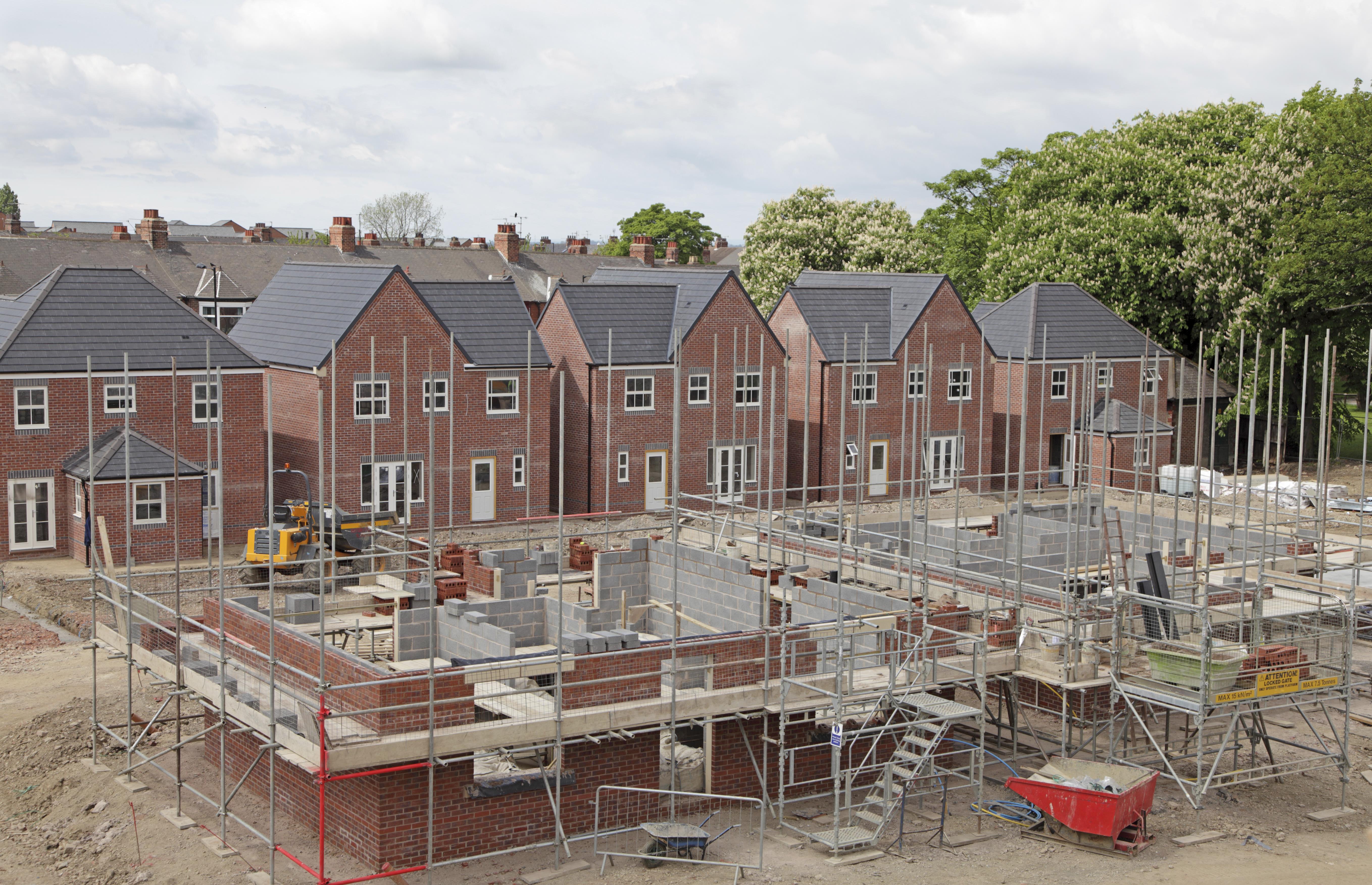
As work commences, the method can typically be broken down into individual sections, such as substructure work, structural works, and finishing. Keeping track on the schedule and staying in connection with your builder will help that the work moves forward smoothly. Being attentive of possible delays and hidden charges is vital, as they can impact your finances and total timeline. By remaining diligent throughout these stages, you can aim towards creating the house of your wishes.
Financing and Budgeting
When embarking on the journey of building a new home, comprehending your financing options is essential. Various loan types are offered for new construction, including traditional loans, FHA loans, and construction-to-perma loans. Every option has its specific requirements and benefits, so it's important to evaluate your fiscal situation and determine which loan suits with your requirements. Consulting with a mortgage advisor can provide valuable insights into your qualification and potential interest rates, aiding you secure the best deal.
Establishing a practical budget is also key factor in the home-building process. Consider all possible costs, including land purchase, construction materials, labor, permits, and utilities. Additionally, be aware of unexpected costs that can arise, such as unexpected site conditions or changes in plans. It's advisable to reserve a buffer fund of about 10 to 15 percent of your overall budget to cover unforeseen expenses, ensuring that you stay financially stable throughout the construction process.
Finally, understanding where to save and where to spend more can significantly affect your final home. Prioritize essential features that fit with your way of living, such as energy-efficient systems and durable materials, while being more open with cosmetic elements that can be modified later. Efficient budgeting will not only assist you avoid financial stress during the construction phase but also ensure that your new home fulfills your expectations without breaking the bank.
Design and Resources Choice
Selecting the right design and resources for your new home is important to establish a space that meets your family’s requirements and displays your individual style. Start by thinking about the arrangement and movement of your home. Open-plan designs are popular for their spacious feeling and adaptability, while classic layouts can provide separate rooms for particular functions. It’s vital to choose a floor plan that works for your lifestyle, whether that entails entertaining, family gatherings, or peaceful getaways.
When it comes to resources, consider longevity, upkeep, and energy efficiency. For instance, opting for sustainable building resources can not only enhance your home's eco-friendliness but can also contribute to lower energy costs in the long run. Furthermore, exterior choices such as masonry, timber, or plaster can significantly affect the look and durability of your home. Research the pros and cons of each choice to find the most suitable for your stylistic intentions and budget.
Finally, pay attention to present styling fashion while ensuring that they correspond with your individual vision. Trends for 2025 may feature smart home features that enhance comfort and security, as well as elements that promote wellness, like natural light and exterior areas. By thoughtfully considering your style and resources choice, you can build a beautiful and practical fresh home that endures.