

As we step into 2024, the world of new home construction is transforming at a remarkable pace. Home seekers are on the lookout for creative designs, energy-efficient solutions, and intelligent technology solutions that enhance both comfort and convenience. Whether you're new to building or an experienced homeowner, grasping these upcoming trends is vital to make educated choices throughout the construction journey.
In this write-up, we will explore the key trends shaping new home construction in 2024, offering insights into design, planning, resources, and finance. Beginning with the perks of sustainable home designs to the debate between custom builds and pre-designed models, we will offer a detailed overview that enables you to build your ideal home. Join us as we delve into the fantastic prospects that await you in the future of home building.
Comprehensive Manual to Constructing a Fresh Home
Building a fresh home can be a thrilling yet daunting task. The first step involves thorough planning and preparation, which begins with defining your financial plan and identifying your particular requirements. This includes choosing a proper lot, noting your desired features, and establishing a timeline for the entire project. Investigating different builders or builders is also essential at this point, as they will play a major role in realizing your dream to life.
After you have a defined strategy, the subsequent phase is to finalize your blueprint and secure the required permissions. Hiring an architectural designer can prove helpful for developing a customized layout that matches both your way of life and budget. It is vital to be aware of local zoning laws and construction codes to ensure your designs are compliant. With approvals secured, your builder can begin the building phase, which will involve site preparation, pouring the base, and constructing the structure.
As the building advances, you will have to stay proactively engaged by communicating with your builder and making choices regarding building materials and interior finishes. Regular inspections will help you monitor the work and tackle any issues that arise. After construction is finished, a final review and walk-through will ensure everything meets your expectations before the big moving date. This step-by-step method will help streamline the process and make your dream house a tangible outcome.
Financing Your Future Home Construction
When it comes to financing your new home build, understanding your choices is essential. Many builders offer a variety of financing options, including building loans, specifically designed to cover the expenses during the building phase. These loans usually transition to a regular mortgage after the construction is finished, making them a convenient choice. It is important to investigate various lenders and evaluate their interest rates, terms, and criteria to find the most suitable option for your needs.
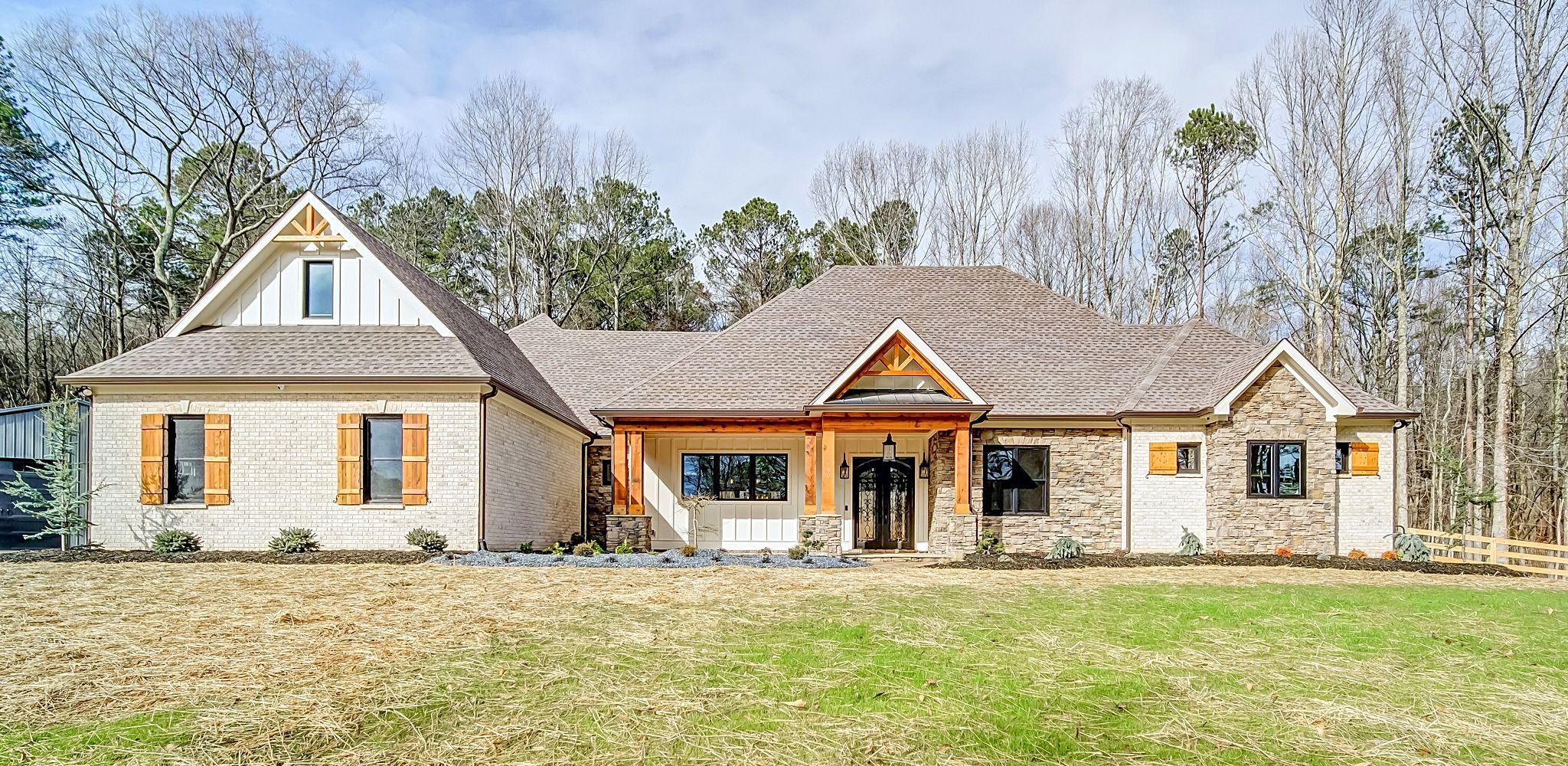
Budgeting for your future home construction also involves accounting for unexpected expenses. Surprise costs can arise during the construction process, including extra permits, site preparation, and changes in material prices. By setting aside a contingency fund, typically around 10 to 15 percent of your total budget, you can help safeguard yourself against these unexpected costs and ensure that your project stays on track financially.
Lastly, knowing how to get approved for a construction loan is a vital step for novice builders. Lenders will assess your credit score, income, and current debts. To boost your odds of approval, it’s beneficial to maintain a good credit score and gather all necessary documentation, such as income statements and asset information. Being thoroughly prepared will make the financing process easier and allow you to concentrate more on bringing your ideal home to life.
A Building Procedure and Final Touches
This construction procedure of a new home is divided into several distinct stages, where each plays a vital role in bringing your dream to life. https://longshaw.com/southern-highlands-new-home-builder/ begins with site preparation, where land is prepared and foundations are set. Next, the framework structure is constructed, including the walls, the roofing, and floors. It's important to stay informed about the timeline and to maintain communication often with your contractor to monitor progress. Each phase has its own difficulties, but knowing what to anticipate can assist ensure a smoother experience.
As the building approaches completion, the focus moves to detailing and finishing touches. This phase involves putting in fittings, floor coverings, and cabinets, as well as painting and additional aesthetic improvements. It's crucial to keep an eye on quality and workmanship during this stage, as these factors can significantly impact the entire aesthetic and usability of your house. Additionally, you may want to begin discussing outdoor design possibilities to create an inviting outdoor space that complements your new residence.
Before moving in, carrying out a thorough check is crucial to resolve any problems that may have occurred during construction. This involves a final walkthrough to make sure everything satisfies your expectations and complies with building codes. Double-checking all utilities, such as plumbing, electrical, and heating, ventilation, and air conditioning, can help you avoid potential complications. With all inspections complete and the finishing touches applied, you can with assurance transition into your new home, prepared to create lasting experiences.